}

The timing belt: A small part with major consequences

When buying a car, you often hear it: watch out for the timing belt! But what exactly does this part do and why is timely replacement so important? Carvendo explains.

Author:
Niels Copier

When buying a car, you often hear it: "Watch out for the timing belt!" And for good reason. This seemingly simple component can mean the difference between years of carefree driving and an expensive repair you'd rather avoid. Yet many drivers don't know exactly what the timing belt does or why it's so important to replace it on time. Let's break it down in plain language.

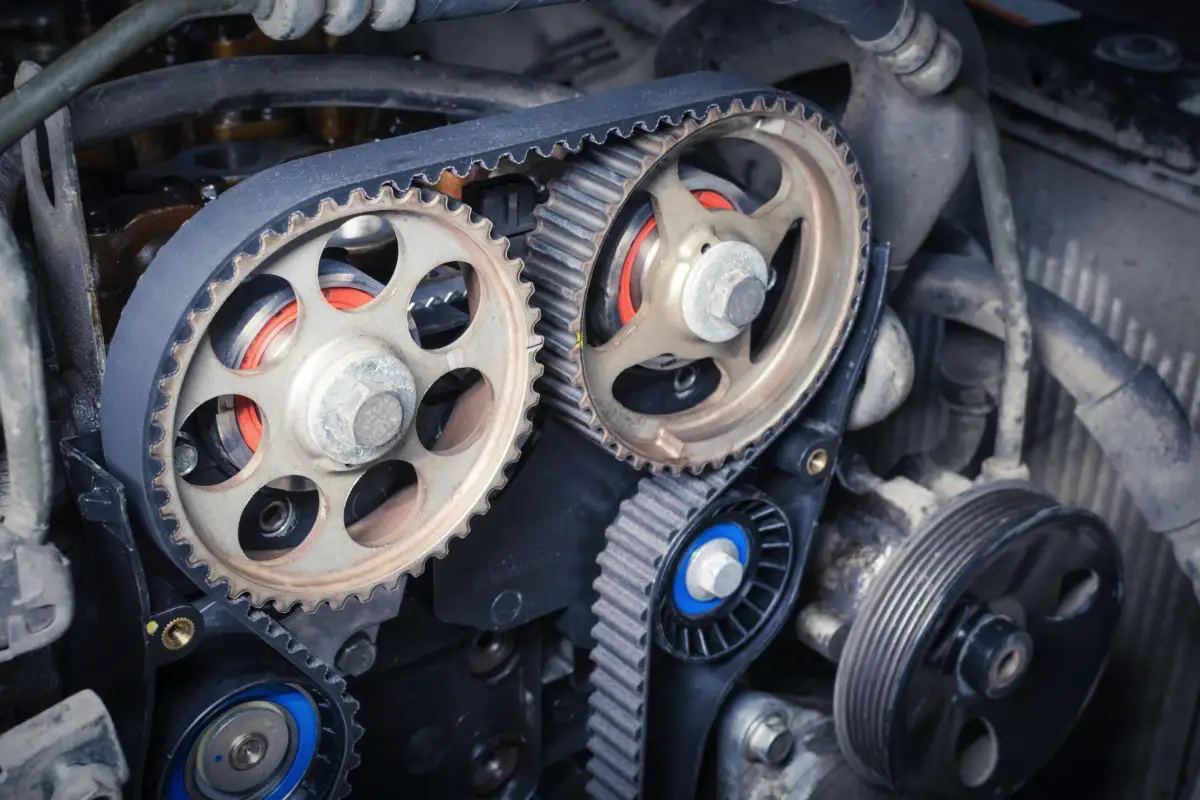
Almost every combustion engine has a timing belt or timing chain. This belt ensures that the crankshaft and camshaft work in perfect harmony, keeping the engine running smoothly. Think of it as the conductor of the engine: it makes sure all components do their job in the right order and at exactly the right moment. Without it, there's chaos under the hood and chaos means damage. When the engine is running, the timing belt is under enormous tension. It rotates with the engine's RPM and has to handle considerable force, as it synchronises the valves and pistons.

That's why it's made from reinforced rubber, often with fibreglass and a wear-resistant coating. But despite this robust construction, it's not a part that lasts the lifetime of a car. Rubber ages, materials wear, and over time the risk of breakage increases significantly. And that's exactly where the danger lies. If the timing belt snaps, the engine stops immediately. In the best case, you simply come to a halt. In the worst case, the valves and pistons collide and then you're looking at serious engine damage. We're talking thousands of euros, sometimes even more than the car is worth.

Replacing the timing belt is therefore not an unnecessary expense, but essential maintenance. Most manufacturers specify a replacement interval, usually between 60,000 and 120,000 kilometres, or every 4 to 6 years. It depends on the make, engine type and driving conditions. If you do a lot of short trips or drive under demanding conditions, it may need replacing sooner


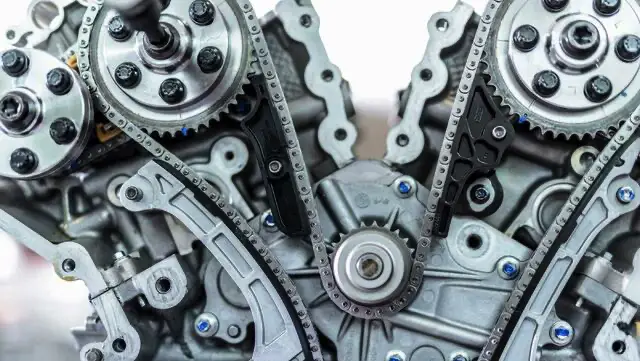
It's often said that a timing chain is better, because it's supposedly maintenance-free. That's partly true: a chain is made of steel and lasts longer. However, chains can also stretch or the tensioners can wear out. In that case, intervention is needed too. Whether you have a belt or a chain nothing is truly maintenance-free. The cost of replacing a timing belt typically ranges from €550 to €700. That might seem like a lot, but when you know what can happen if it breaks, it's worth every euro. In addition, the water pump is often replaced at the same time. It runs alongside the belt and also has a limited lifespan. It's smart to do both at once so you don't pay double in labour costs.

Want to know if your car's timing belt has ever been replaced? Look under the bonnet for a sticker showing the mileage or date of the last replacement. If nothing is filled in or you're not sure? Have it checked by a mechanic. They can assess whether there are signs of wear, cracks or slack. And to be completely clear: never replace the timing belt yourself unless you're an experienced mechanic. It's a precise job where the timing literally has to be right down to the millimetre. A small mistake can have major consequences.

In short: the timing belt is a small but crucial part of your car. It keeps your engine running in harmony, but requires timely attention. Have it checked regularly and replace it on time, then you can keep driving with complete peace of mind. At Carvendo, we always say: good maintenance prevents nasty surprises. And when it comes to the timing belt, that's no exaggeration.

Find a car ->

Andere interessante artikelen

Smart car savings: How to keep it affordable and comfortable

Lees meer ->

New 52% tax on company cars: what will change

Lees meer ->

Car margin or VAT car: what do you pay attention to when buying a used car?

Lees meer ->

Good maintenance means carefree driving

Lees meer ->