Petrol remains the dominant fuel type
For many people, petrol is still the most logical choice. It is simple, reliable, and available everywhere. Most trips in the Netherlands are relatively short—to work, the supermarket, or to visit family—and petrol engines are perfectly suited for that.
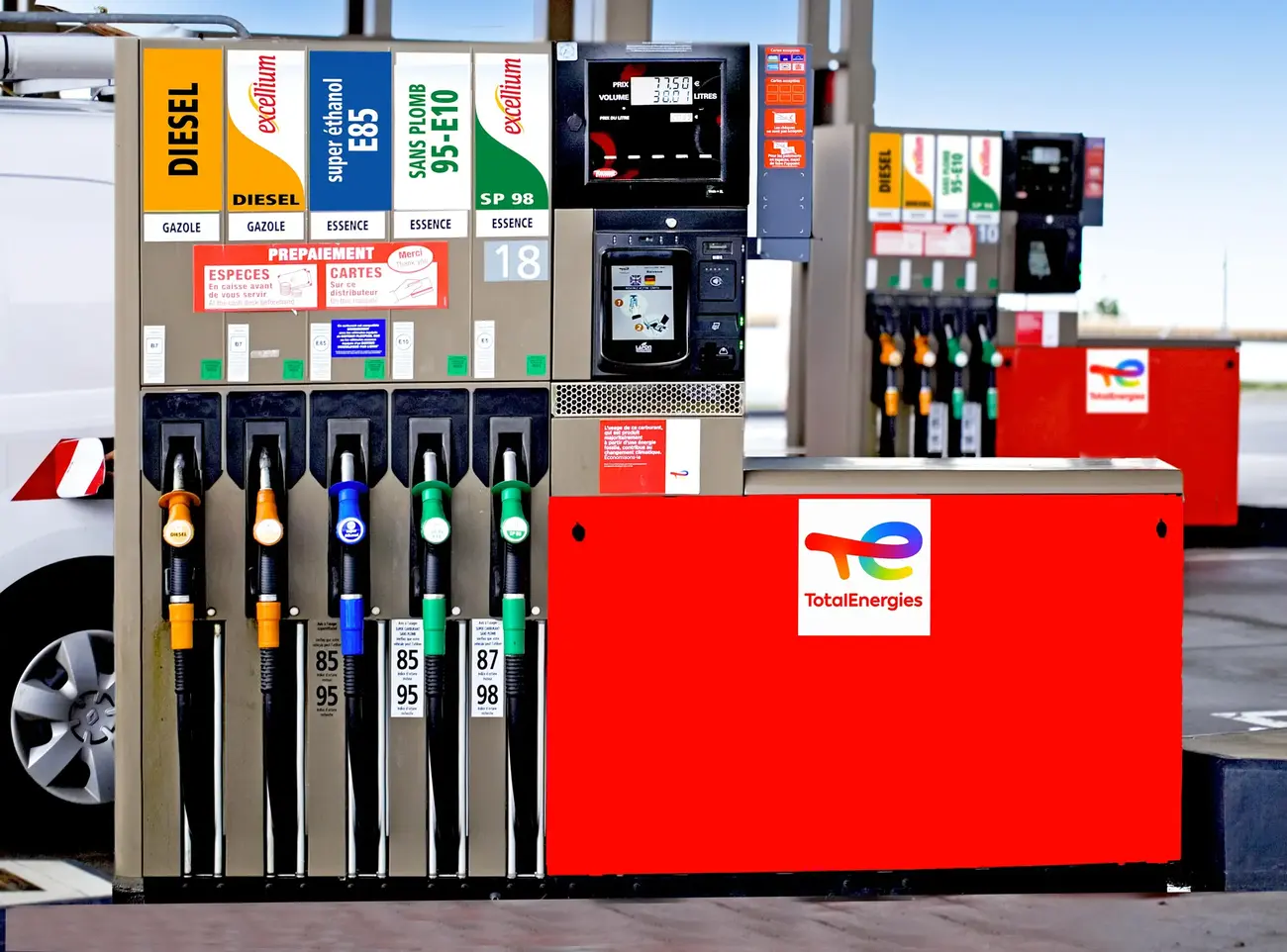
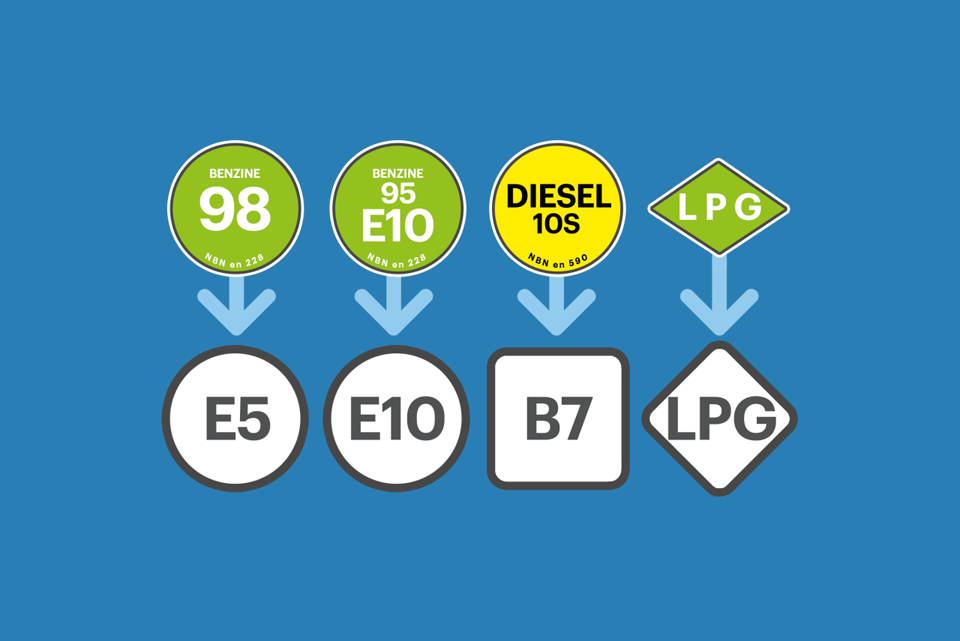
Modern petrol cars are also fuel-efficient and meet strict environmental standards. The standard fuel at the pump these days is E10, which contains 10% bio-ethanol.
That works fine for most cars, although many drivers prefer E5. It contains less bio-ethanol and is often gentler on the engine, especially if you don't drive many miles. Premium variants like Shell V-Power or BP Ultimate offer extra cleaning additives—a kind of vitamin boost for your engine—helping it run more smoothly and stay in top condition for longer.
If you drive long distances, diesel might be the better choice. A modern diesel engine really comes into its own on the highway, where it runs economically and efficiently. Especially if you drive more than 20,000 kilometers per year, the lower fuel consumption costs can make a significant difference.
And the old image of diesel being dirty and polluting no longer applies to the latest generation of engines. Thanks to smart filters and AdBlue technology, they are cleaner than ever. For those who hit the highway every day, diesel remains a logical and often cost-effective choice.
Then there is LPG, or autogas. It is not as popular as it used to be, but it is still an interesting option for those who drive a lot. The price per liter is significantly lower than petrol or diesel, which can substantially reduce your fuel costs.
An LPG car does consume slightly more fuel per kilometer, but that is more than compensated for by the low price at the pump. This works best with bi-fuel cars—models that are factory-equipped to run on both petrol and LPG. This ensures the engine is properly suited for it and gives you the flexibility to switch to petrol whenever necessary.