}

Which fuel suits your situation

There are many choices when it comes to car fuel types. Petrol, hybrid, plug-in hybrid, or perhaps fully electric. Which fuel type should you choose, and which one best fits your situation?

Author:
Niels Copier

Choosing a car often starts with the model, the color, or the options. But once you start looking seriously, a question that is just as important quickly arises: which fuel type actually suits me best?

This is not just a matter of cost, but also of convenience, future-proofing, and, above all, your driving habits. Whether you mainly drive short distances or cover a lot of miles, your choice of fuel has a major impact on how pleasant and economical your driving experience will be.

Petrol remains the dominant fuel type

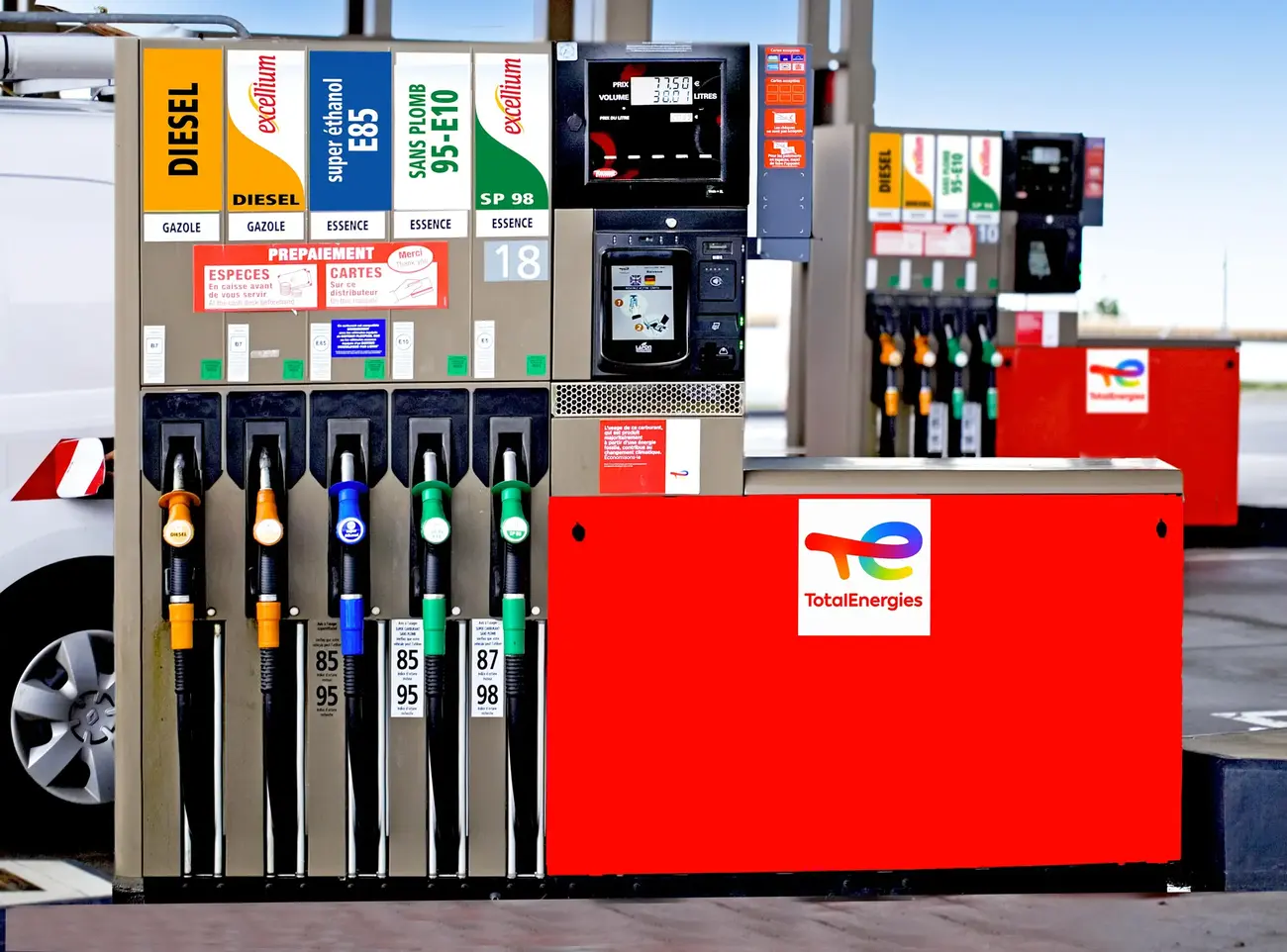
For many people, petrol is still the most logical choice. It is simple, reliable, and available everywhere. Most trips in the Netherlands are relatively short—to work, the supermarket, or to visit family—and petrol engines are perfectly suited for that.

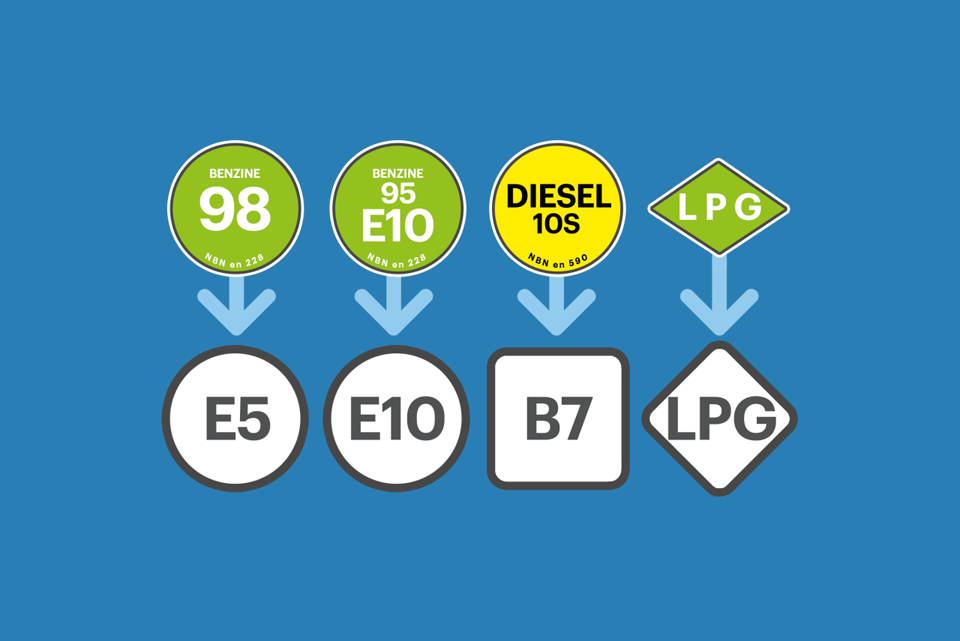
Modern petrol cars are also fuel-efficient and meet strict environmental standards. The standard fuel at the pump these days is E10, which contains 10% bio-ethanol.

That works fine for most cars, although many drivers prefer E5. It contains less bio-ethanol and is often gentler on the engine, especially if you don't drive many miles. Premium variants like Shell V-Power or BP Ultimate offer extra cleaning additives—a kind of vitamin boost for your engine—helping it run more smoothly and stay in top condition for longer.

If you drive long distances, diesel might be the better choice. A modern diesel engine really comes into its own on the highway, where it runs economically and efficiently. Especially if you drive more than 20,000 kilometers per year, the lower fuel consumption costs can make a significant difference.

And the old image of diesel being dirty and polluting no longer applies to the latest generation of engines. Thanks to smart filters and AdBlue technology, they are cleaner than ever. For those who hit the highway every day, diesel remains a logical and often cost-effective choice.

Then there is LPG, or autogas. It is not as popular as it used to be, but it is still an interesting option for those who drive a lot. The price per liter is significantly lower than petrol or diesel, which can substantially reduce your fuel costs.

An LPG car does consume slightly more fuel per kilometer, but that is more than compensated for by the low price at the pump. This works best with bi-fuel cars—models that are factory-equipped to run on both petrol and LPG. This ensures the engine is properly suited for it and gives you the flexibility to switch to petrol whenever necessary.


View all petrol cars ->
View all hybrids ->

Hybrid and electric are growing rapidly

Hybrid cars have become incredibly popular in recent years, and for good reason. They combine a petrol engine with an electric motor and always use the smartest drive system for the situation. In the city and during relaxed driving, the electric motor takes over much of the work, while you use the petrol engine on the highway.

You don't have to do anything yourself; the car handles it all automatically. As a result, you drive more economically, quietly, and often more comfortably. Especially in the Netherlands, where short trips are the norm, a hybrid car is an excellent choice. Furthermore, you are prepared for the future, as hybrid cars are cleaner and versatile.

And then, of course, there is electric driving. You see more and more charging stations appearing, and almost every brand now has electric models. For those who mainly make short trips and can charge at home or at work, electric is ideal.

Driving electric is quiet, smooth, and cost-effective per kilometer. However, there are downsides: the range can be disappointing, especially in winter, the purchase price of a new electric car is often higher, and repairs are more complex. Furthermore, the depreciation of electric cars can currently be significant, causing their value to drop quickly on the second-hand market. On the flip side, as a buyer, you benefit from this decline: young used EVs are attractively priced and often well-equipped.

The automotive world is changing rapidly. Electric driving is growing, but petrol and diesel remain available and affordable for the time being. Meanwhile, work is underway on E-fuels—synthetic fuels that you will soon be able to simply fill up with in modern petrol and hybrid cars.

This means that with a hybrid car, you are already driving efficiently and cleanly today, while simultaneously being ready for the fuels of tomorrow.

At Carvendo, we work with you to determine what truly fits your situation. Not based on sales pitches, but on your driving habits, your needs, and your budget. Because whether you mostly make short trips, drive long distances, or want to stay flexible for the future, there is always a smart choice to be made.

In short: there is no one-size-fits-all fuel. Petrol is reliable and simple, diesel is strong for high-mileage drivers, and LPG can be financially attractive. Hybrid offers the best balance for now, and electric is a smart choice for the future. At Carvendo, we are happy to help you clarify that choice, so you can hit the road worry-free in a car that truly suits you.

Andere interessante artikelen

Car margin or VAT car: what do you pay attention to when buying a used car?

Lees meer ->

Good maintenance means carefree driving

Lees meer ->

Carvendo Advice: Buying winter tires: what should you pay attention to?

Lees meer ->

How to get your car ready for winter

Lees meer ->