}

Power grid on the brink of overload: realism needed instead of wishful thinking

Is the electric car truly the right choice with an overloaded grid on the horizon? We share our opinion in this blog about the power grid and its impact on car purchases.

Author:
Mark van Zelst

This year, the Netherlands faces an uncomfortable truth: our power grid is creaking at the seams. While the energy transition has been in full swing in recent years, the infrastructure is painfully lagging behind. Grid operator Enexis has already warned 22 areas in the country that power outages could occur during peak times this year. Not because there's literally too little electricity, but because the network simply can no longer handle the peak load. And that's a serious and significant problem.

When do bottlenecks occur on the power grid?

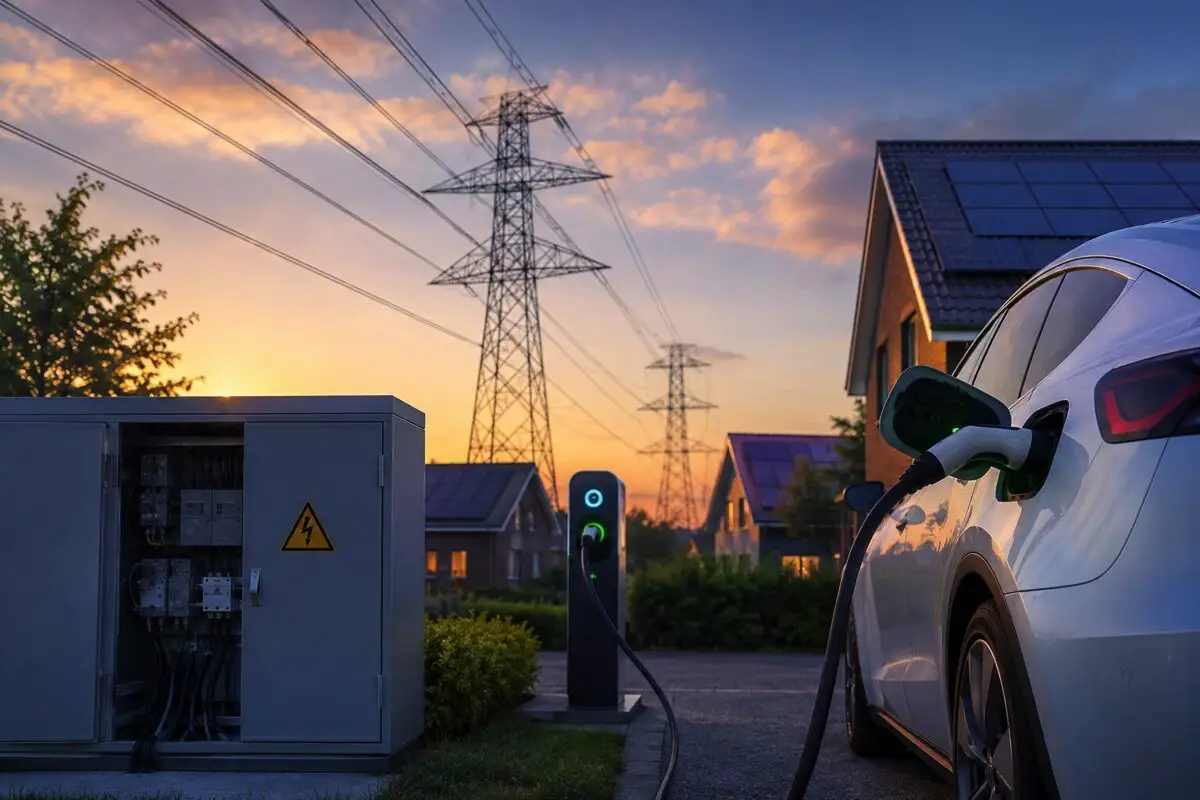
The bottlenecks mainly occur during rush hour between 4 PM and 9 PM. Precisely when people come home, heating and heat pumps switch on, and they massively plug in their electric cars. This combination creates peak loads that the network can no longer safely handle in some places.

Enexis indicates that, in extreme cases, they may even be forced to temporarily shut down parts of the network to prevent damage to cables and substations. That's no longer a doomsday scenario, but something they are actively preparing for.

Electric cars undeniably play a role in this. This isn't because EVs are "the culprit," but because the rapid growth of electric driving simply hasn't been matched by an equally rapid expansion of our electricity grid. In recent years, the government has strongly pushed for the electrification of the vehicle fleet, especially for business drivers.

Tax benefits, reduced company car tax, and stricter emission standards have led more and more companies to switch to electric vehicles. But the harsh reality is that the grid is nowhere near ready for it.

The Netherlands is currently considering its options for the power grid, but the best solution hasn't really emerged yet. Furthermore, our regulations often get in the way, or there are nature reserves where we simply cannot scale up.

Power supplier urges reduction in electricity consumption.

Enexis is now urgently calling on consumers to limit their electricity use during peak hours, for example around 6 PM. For instance, by only charging electric cars at night.

With smart charging stations, this is technically not a problem, but experience shows that behavioral change doesn't happen automatically. The previous government campaign 'Turn the Switch' received lukewarm reactions.

Dutch people rarely change their habits without clear financial incentives, and these are currently lacking.

There's a plan to reward electricity consumption outside peak hours, but that won't be implemented until 2028 at the earliest. So, that won't help at all this year.

What does this really mean for the car market?

At Carvendo, we take a pragmatic view of this situation. It's good and necessary that we become more sustainable, but you can't electrify a country without first ensuring the foundation is in order. You shouldn't build an entire highway if the bridge at the end hasn't been constructed yet.

The network needs to become more robust, smarter, and future-proof. Until then, it's simply not realistic to push all business drivers en masse towards electric cars, especially not with additional fiscal pressure and regulations like the planned 52% pseudo-final levy.

Furthermore, we believe that the internal combustion engine isn't disappearing anytime soon.

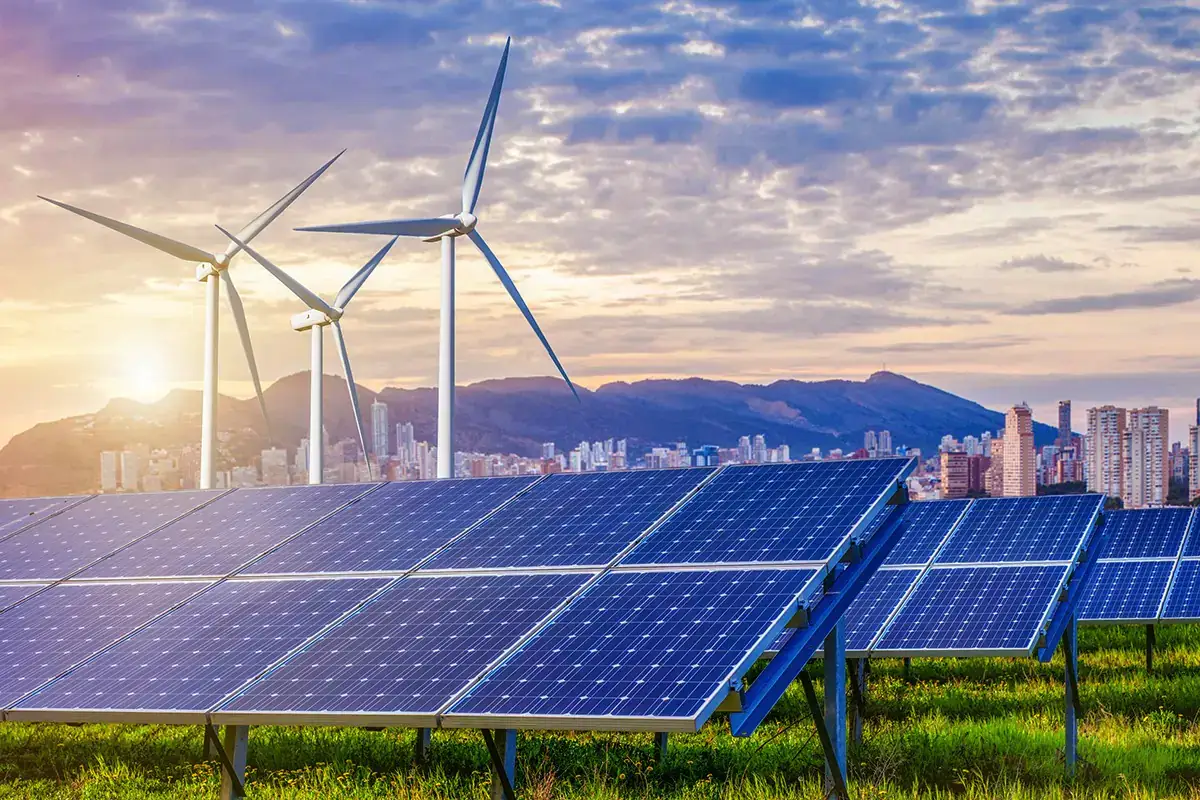
New technologies like synthetic fuels and hybrid solutions can play a significant role in a transitional phase where the infrastructure can adapt. It's not black and white: not everything needs to be electric tomorrow to make sustainable progress. Realistic policy means looking at what's possible now, while simultaneously building towards what needs to become possible later.

In this regard, fuel, in whatever form, will always play a role in our society and must always be affordable and manageable for consumers, in whatever form.

Andere interessante artikelen

How to buy the best used car.

Lees meer ->

Buying an imported car? Here is how to ensure you are making the right choice

Lees meer ->

How to buy a car as an expat in the Netherlands

Lees meer ->

Significant growth in occasion sales by 2025, but the showroom will become less important

Lees meer ->