}

The automatic transmission: comfort, technology, and the importance of proper maintenance

Automatic transmissions are rapidly taking over in the Netherlands. However, it is important to know that an automatic requires something different from you than a manual car. The technology is more advanced and therefore deserves more attention.

Author:
Niels Copier

Automatic transmissions are rapidly taking over in the Netherlands. While you used to see only those who valued convenience choosing an automatic, it is now often simply the best technical choice. This is not only due to the rise of hybrid and electric powertrains, where a traditional manual gearbox no longer fits, but also because modern automatics have become much smarter and more efficient. Still, it is good to know that an automatic requires something different from you than a manual car. The technology is more advanced, more complex, and therefore deserves more attention.

How does an automatic transmission work in a car?

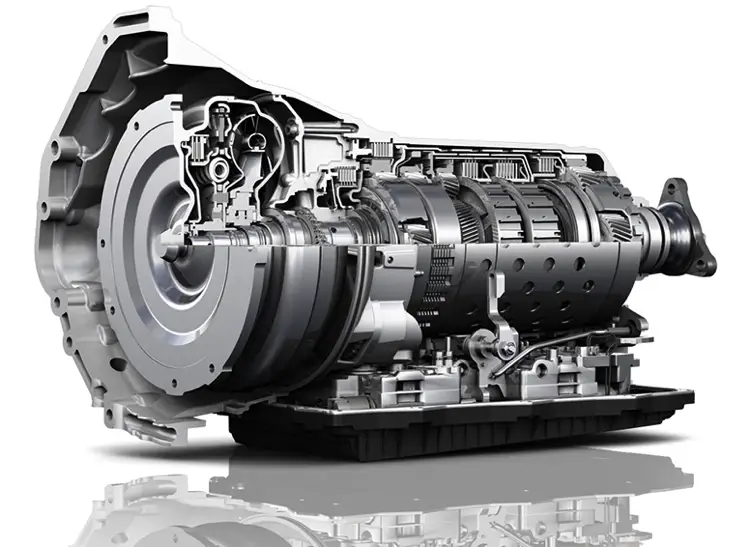
An automatic transmission is packed with smart technology that regulates shifting behavior. The brain of the transmission, the mechatronic unit, controls everything: hydraulic valves, electronic sensors, and mechanical components that work together to ensure smooth and precise shifting. But like any brain, this system can get confused. Sensors can fail, software can glitch, or parts can wear out due to contaminated oil.

You will notice this immediately behind the wheel: the transmission shifts roughly, vibrates, or the engine revs illogically high. A common problem is that the transmission jerks or vibrates when accelerating. This can have various causes, depending on the type of transmission. In a CVT (continuously variable transmission), the push belt or chain may be worn, while in a DCT (dual-clutch transmission), the clutch plates are often the culprit. In a classic automatic, the torque converter is frequently the cause.

And in all cases: the right oil is essential. If you use the wrong or contaminated fluid, parts will wear out faster and shifting problems will arise.

How do you recognize a slipping automatic transmission?

Another recognizable problem is slipping. You notice it when the engine suddenly revs high while the car does not accelerate. In DCTs and conventional automatics, this usually indicates worn clutches or low oil levels. In a CVT, it can indicate a worn push belt or chain. Maintenance plays a crucial role here as well: oil that is old or contaminated loses its lubricating and hydraulic properties. Sometimes people ask if you can push-start an automatic with a dead battery. Unfortunately, you cannot. The hydraulic and electronic systems that put the transmission into gear only work when the engine is running. You will need jumper cables, a booster, or simply call roadside assistance.

If you notice that your automatic is no longer shifting smoothly, it is wise not to keep driving it for too long. The sooner you have it checked, the greater the chance that the problem can be easily resolved. You can go to a brand dealer, an independent garage, or a specialist. While a dealer often opts for replacement, a specialist can usually rebuild or flush the unit: the transmission is cleaned and filled with fresh fluid, which often resolves many issues.

The story that automatic transmissions are "sealed for life" and never require maintenance is a persistent myth. In practice, it mostly means the transmission will last just as long as the factory warranty. If you want your automatic to last a long time, have it flushed every 100,000 kilometers. This prevents wear, keeps the oil clean, and ensures the transmission continues to shift smoothly.

Reliability of an automatic car

The way you drive an automatic also plays a role. Especially with powerful sports cars, it is not ideal to floor it at every traffic light. This puts enormous stress on the drivetrain, and over time, it can cause wear. It is better to let the car roll a little before accelerating fully; this saves the mechanics and prevents unnecessary strain.

In terms of reliability, there are clear differences between transmissions. The conventional automatic with a torque converter is known as the most robust. With proper maintenance, it can last for hundreds of thousands of kilometers. Toyota’s e-CVT is also very reliable due to the limited number of moving parts. The DCT, on the other hand, is technically complex and more sensitive to wear, especially in heavy city traffic. But in all cases: proper maintenance is the key.

In short: the automatic has not only become more comfortable and smarter, but it also requires smart usage and timely maintenance.

Drive with care, have your transmission flushed occasionally, and enjoy the smooth power that modern transmissions have to offer.

That is not only good for the lifespan of your car, but also for your driving pleasure—and that is ultimately what Carvendo is all about.

View all automatic cars ->

Andere interessante artikelen

Which fuel suits your situation

Lees meer ->

The best way to test an electric car battery

Lees meer ->

How to buy the best used car.

Lees meer ->

Everything you need to know about the MOT

Lees meer ->