Aston Martin DB9 British perfection with timeless charm
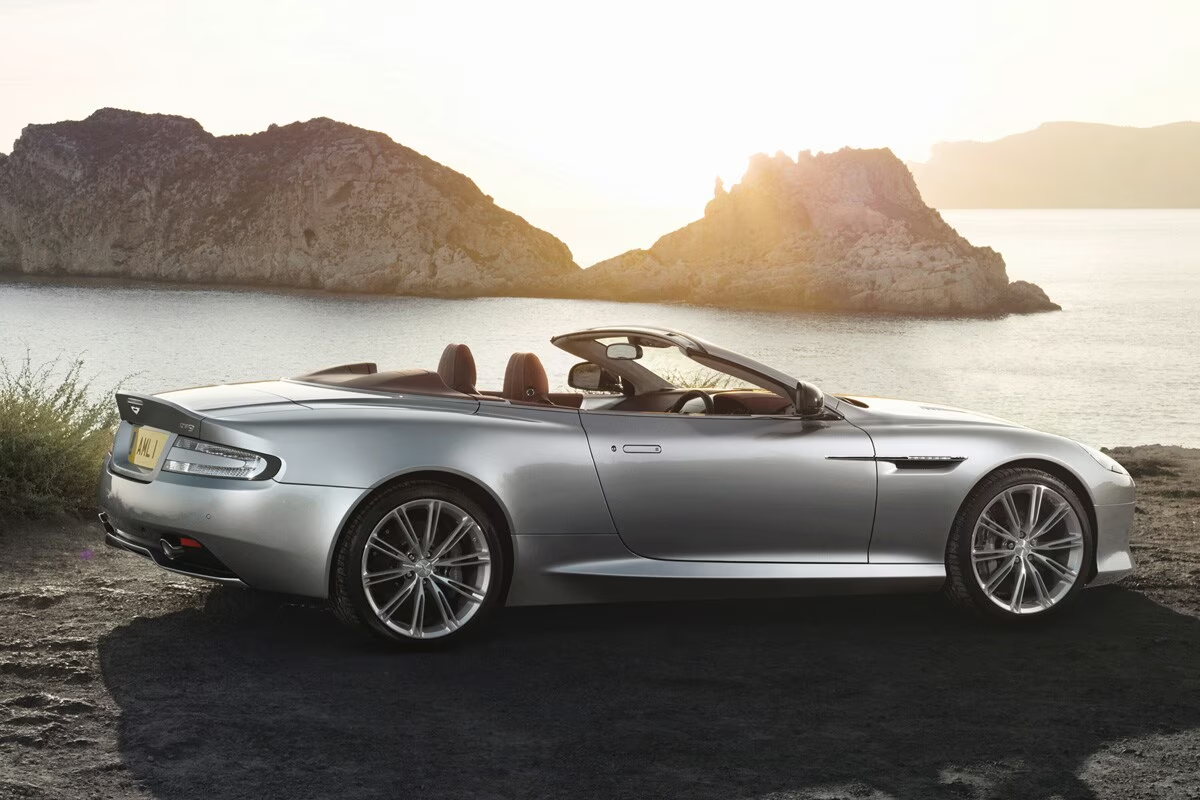
When Aston Martin presented the DB9 in 2004, it felt like the brand had reinvented itself. This wasn't just any new car, it was the first truly modern Aston Martin, fully developed and built at the brand new factory in Gaydon, Warwickshire. Until then, the models were still handmade in old Newport Pagnell, with all the charm but also limitations of an artisanal process. With the arrival of Ford as owner in the nineties, Aston Martin had the opportunity to professionalize and modernize. The DB9 was the symbol of that new generation.
The design, by Henrik Fisker in collaboration with Ian Callum, was nothing short of breathtaking. Long, low and elegant with smooth lines that exuded power and sophistication at the same time. No unnecessary frills, but pure form and proportion. The DB9 was a masterpiece of understatement, a car that even stands still with flair. Where Italian sports cars often scream for attention, the Aston Martin whispers its class.
Under the aluminum hood lies a 6.0-liter V12 that delivers 450 hp, an engine with a silky smooth run and a sound that is almost symphonic. The DB9 is not a raw sports car, but a real one Grand Tourer: made to effortlessly devour long distances with strength, flexibility and comfort. The balance is perfect. The chassis is sturdy enough for dynamic driving, but never hard or tiring. On motorways, the DB9 glides across asphalt like a luxury yacht, while winding roads give it the chance to show its elegance in motion.
Jeremy Clarkson once called the DB9 “one of the best cars I've ever driven” and that was no exaggeration. In a famous Top Gear episode, he drove from the studio in England to the iconic Hôtel de Paris in Monte Carlo, while his colleagues took public transport. Clarkson won with ease and probably had the time of his life along the way. The DB9 then proved what it still is today: a car that's not just about speed, but about experience, emotion and beauty.
In terms of maintenance and reliability, the DB9 requires attention, but not excessive dedication. The V12 is robust when properly maintained, and many technical components date back to the Ford era, making for surprisingly affordable parts. The weak points mainly lie in electronics and obsolete rubber parts, but those who have their car looked after by an Aston specialist can count on trouble-free driving pleasure.
The comfort level is impressive. The seats are perfectly shaped, the cab is an oasis of leather and aluminum, and every detail is made with love. Like a tailored suit, the DB9 feels understated on the outside, yet luxurious and sophisticated on the inside. Driving a DB9 isn't rushed or rushed; it's an experience that evokes peace and pride at the same time.
When it comes to depreciation, the DB9 has now reached its bottom. The market increasingly sees it as a modern classic, especially the early ones in good condition. Where they once fell sharply in value, decent DB9s are now stable and rising interest from collectors suggests that this model is living up to its iconic status.
In short:
The Aston Martin DB9 is the epitome of British elegance and technical perfection. It combines power with grace, performance with comfort and beauty with reliability. It's a car that doesn't scream for attention, but lets you feel deeper with every mile why driving once became a passion. A timeless GT that perfectly balances class, emotion and sophistication, still one of the most beautiful cars ever built.
Aston Martin DB9
- The first “new generation” of Aston, built at the modern factory in Gaydon.
- Designed by Henrik Fisker and Ian Callum — elegant, timeless and perfectly balanced.
- 6.0 litre V12 combines GT comfort with impressive performance.
- Interior and sound give pure British class and emotion.
- Retains its value thanks to its iconic status and high-quality finish.