
}

The myths about electric driving in winter

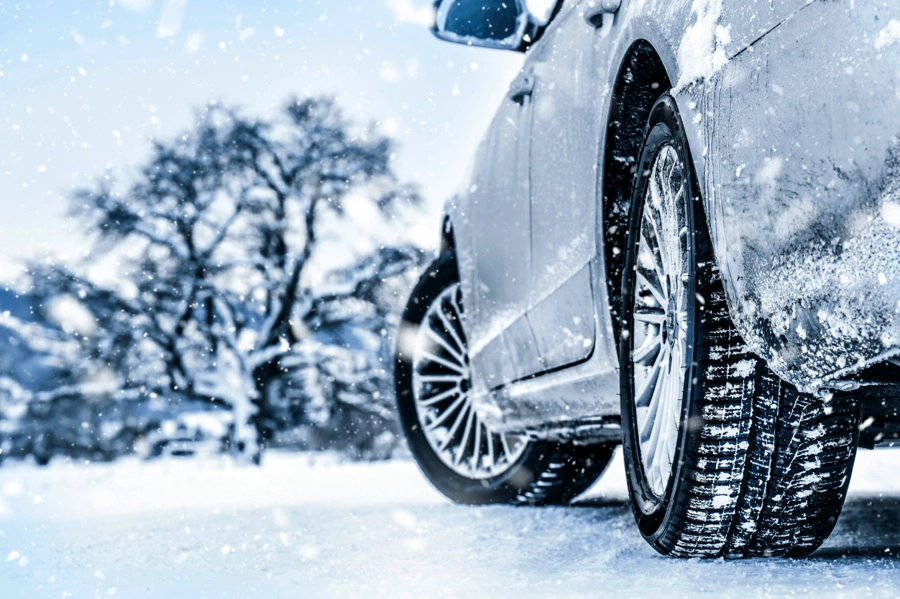
“Nice, such a battery car. But just wait until it freezes and you won't get anywhere.” Is a phrase often heard as soon as it gets colder. But what is true and what is not? Let's break down the myths and see the facts.

Author:
Mark van Zelst

“Nice, such a battery car. But just wait until it freezes and you won't get anywhere.”

Every EV driver has heard this phrase before. Often from someone who has never driven an electric vehicle before. And to be honest, there is a grain of truth to it. Cold and batteries are not best friends. But that doesn't make an electric car useless in the winter. On the contrary, with the right technology and a bit of smart use, an EV is surprisingly comfortable, efficient and reliable in the cold months.

Let's dissect the myths, look at the facts and, above all, explain why the heat pump is the secret weapon of electric driving.
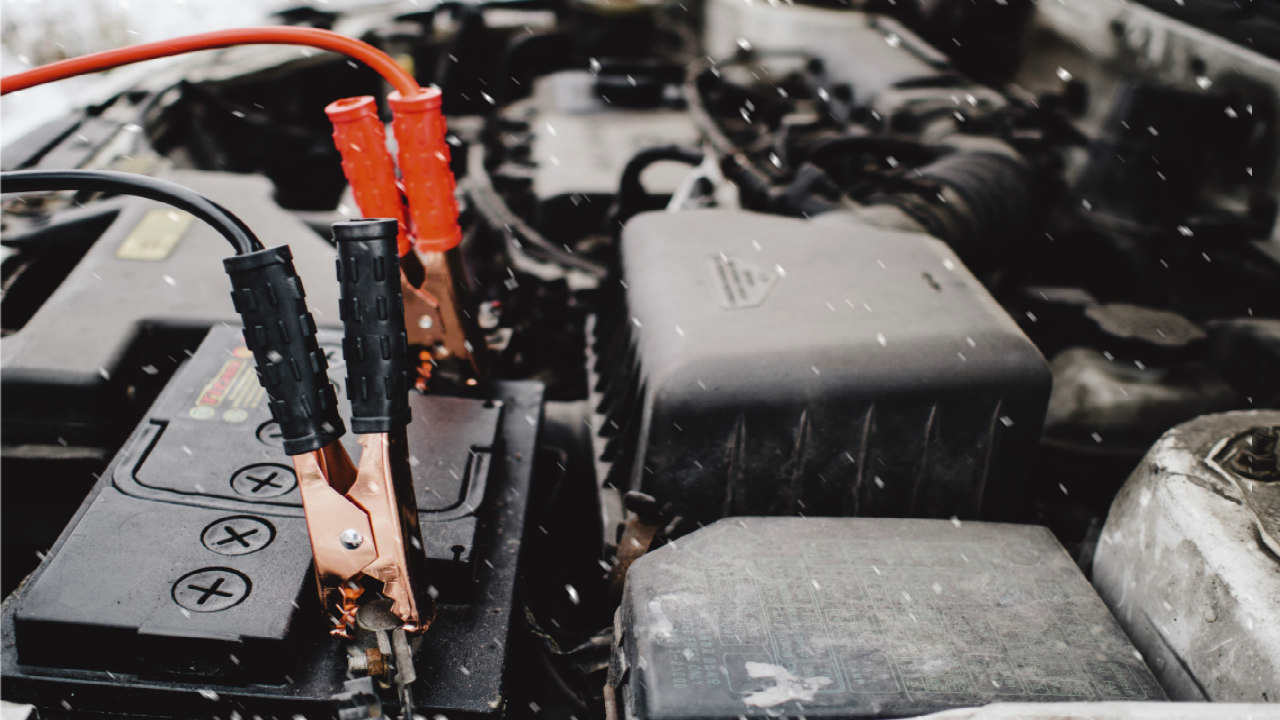
Why cold affects a battery:

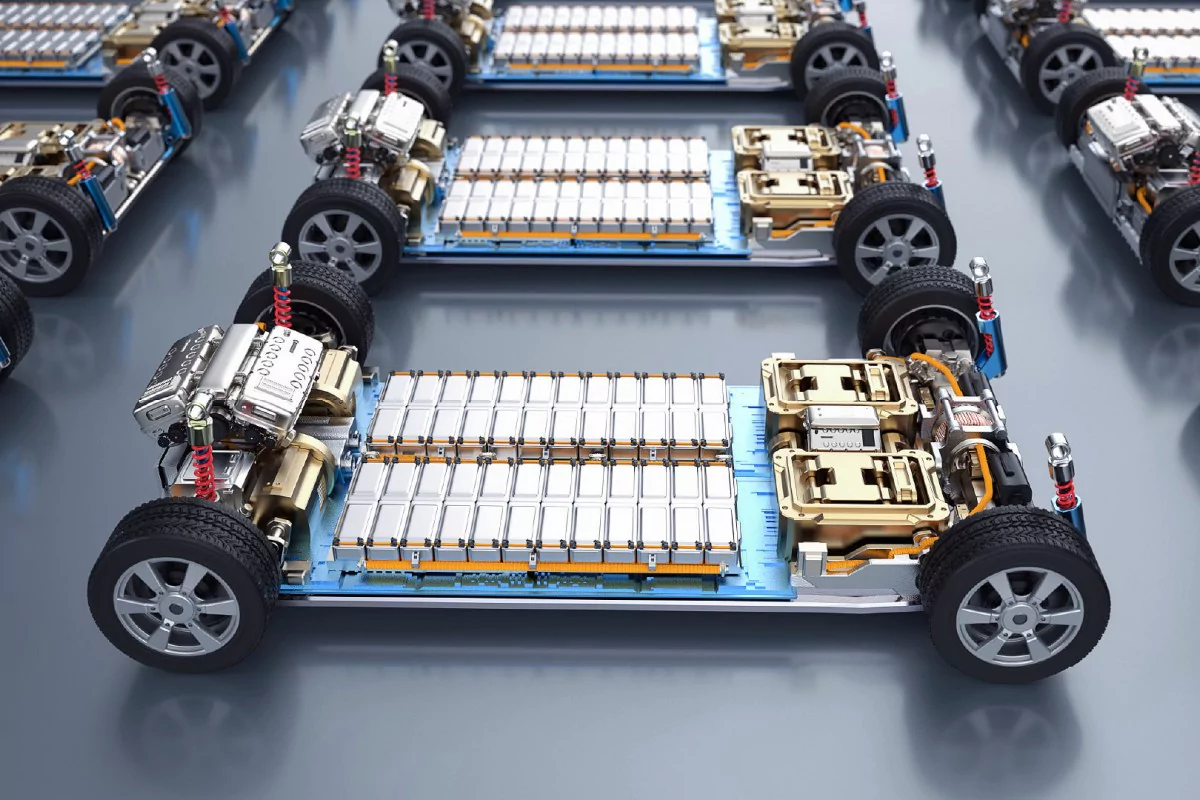
Lithium-ion batteries are less efficient at low temperatures. You can see that in two things:

  • Slower chemical processes: the battery gives and receives energy less easily when it's cold.
  • Cabin heating: An EV has no engine heat like a gasoline or diesel car. All the heat for you has to come from the battery and that costs electricity.

This means that your range decreases in the winter. How much? Practical tests don't lie. The Norwegian NAF measures annually under realistic conditions and sees an average loss of ± 22%. The German ADAC estimates 20— 30% at temperatures around freezing point. So, in practice, those 450 WLTP kilometers will be around 320—360 kilometers. Annoying? Yes. Dramatic? Certainly not.

Learn more about the test at ADAC

The heat pump: the silent wonder in your EV

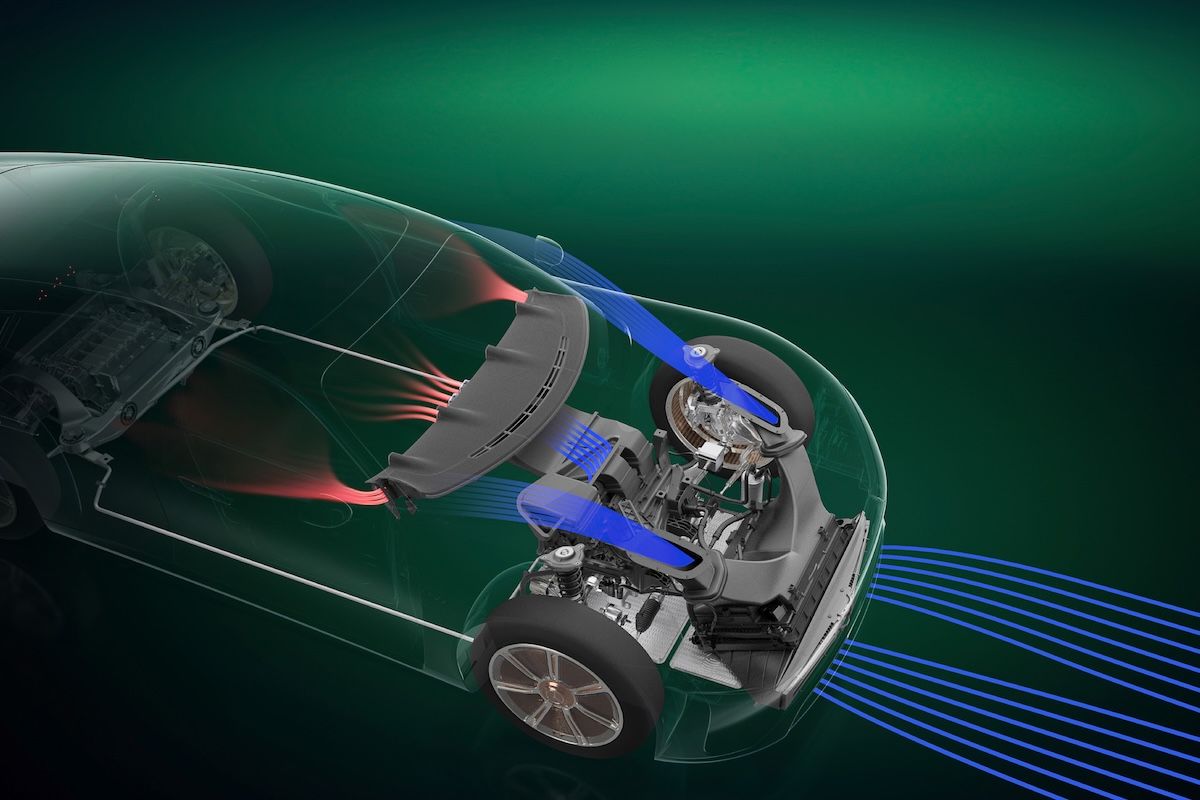
The biggest gain in the winter does not come from a larger battery but from a heat pump. Many EVs still use a traditional PTC heater, an electric heater that converts 1 kW of power into 1 kW of heat. Simple but energy intensive.

A heat pump does it smarter. It “moves” heat from the outside air and from residual heat from the battery. For example, with 1 kW of electricity, you can make 2 to 4 kW of heat. This is extremely efficient, especially at Dutch winter temperatures (usually 3 to 8 °C).

Tests show that a heat pump can reduce heating energy consumption by 50— 75%. Calculate that, and you'll quickly get 10% range back on a cold day, that's the difference between having to charge fast or not.

The myths about electric driving

Myth 1: electric cars have no range

That used to be true, but not anymore. From affordable EVs to high-end models, you can see that modern batteries go a long way. And for most trips in the Netherlands ±30 km per day, you have more than enough.

Myth 2: There are too few charging stations

The Netherlands is a European leader with more than 180,000 charging points. Fast charging? Fastned, Ionity, Shell Recharge... you can hardly miss them.

Myth 3: EVs are too expensive

The choice has grown explosively. New EVs start at €18,000 and you can find complete EVs on the used market, even Teslas starting at €15,000.

Myth 4: electric cars are boring

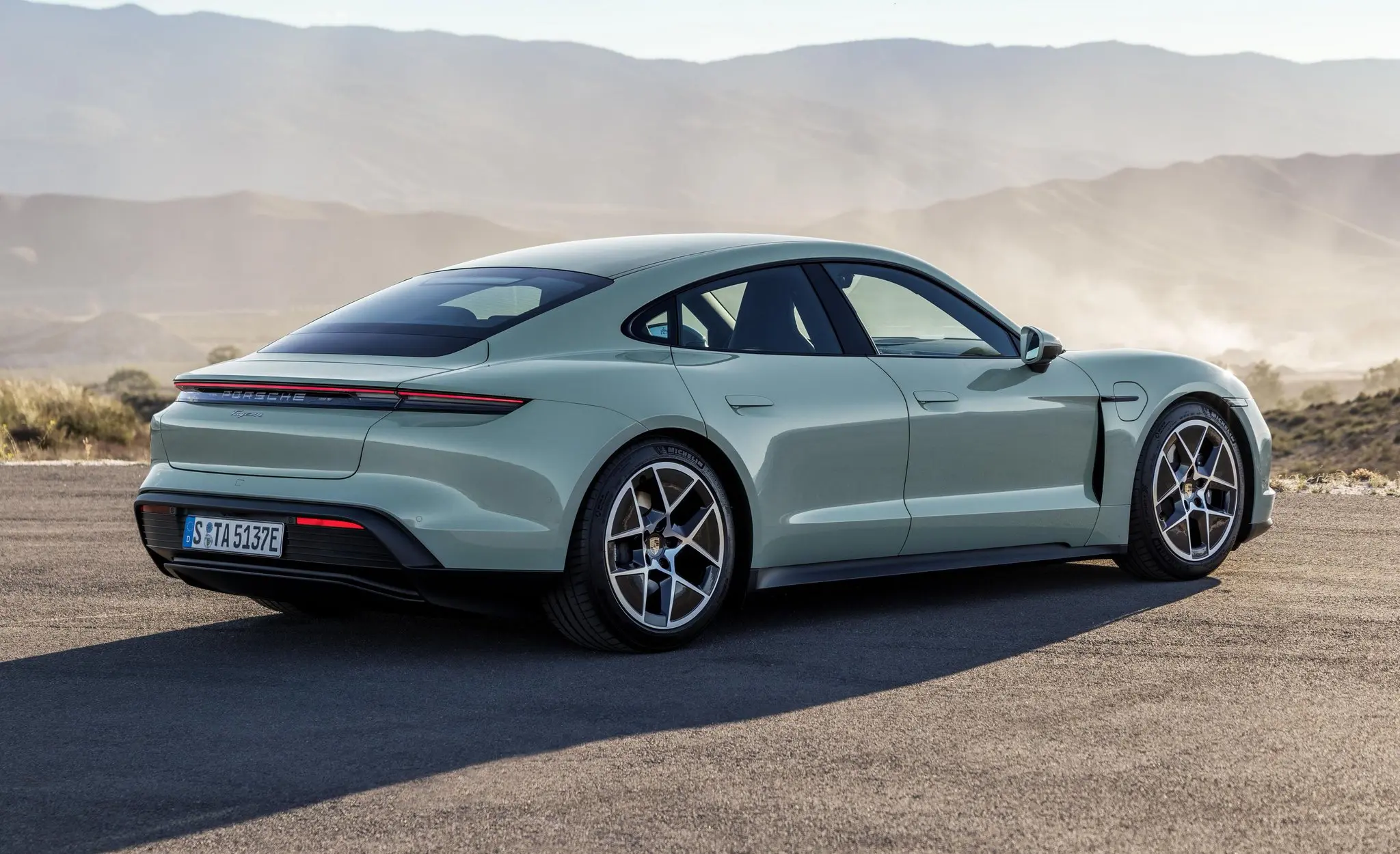
If a Porsche Taycan or Tesla Model S Plaid blasts to 100 km/h under three seconds, “boring” might not be the right word. And the fastest production car in the world? Also electric.

How to get the most out of your EV in winter

  • Preheat your car while it's still at the charging station. Free heat, no loss of battery.
  • Use seat and steering heaters, much more efficient than 22 degrees in the entire cabin.
  • Drive slowly until the battery is warm, then it becomes more efficient.
  • Pay attention to tire pressure, which drops in the cold and then costs extra electricity.

Carvendo's view

Electric driving in winter is no disaster, no drama and certainly no reason to write off the entire concept. Yes, you lose range. But modern EVs, especially with a heat pump, are actually more comfortable, warm up faster and safer because of their fine traction control.

At Carvendo, we like to look at cars soberly, whether they run on petrol, hybrid, diesel or electricity. And from that point of view, we can say: winter is no reason to avoid electric driving. You don't have to be afraid of it, just be aware of the technology.

An EV does not become a wheeled parking heater in the winter. It's simply a car that uses energy differently. With a heat pump, smart use and realistic expectations, you can drive smoothly from A to B even in the winter and often even more comfortably than in a fuel car.

See all electric cars ->

Andere interessante artikelen

Smart charging: this is how you can easily save on the costs of your electric car

Lees meer ->

The best compact electric car

Lees meer ->